
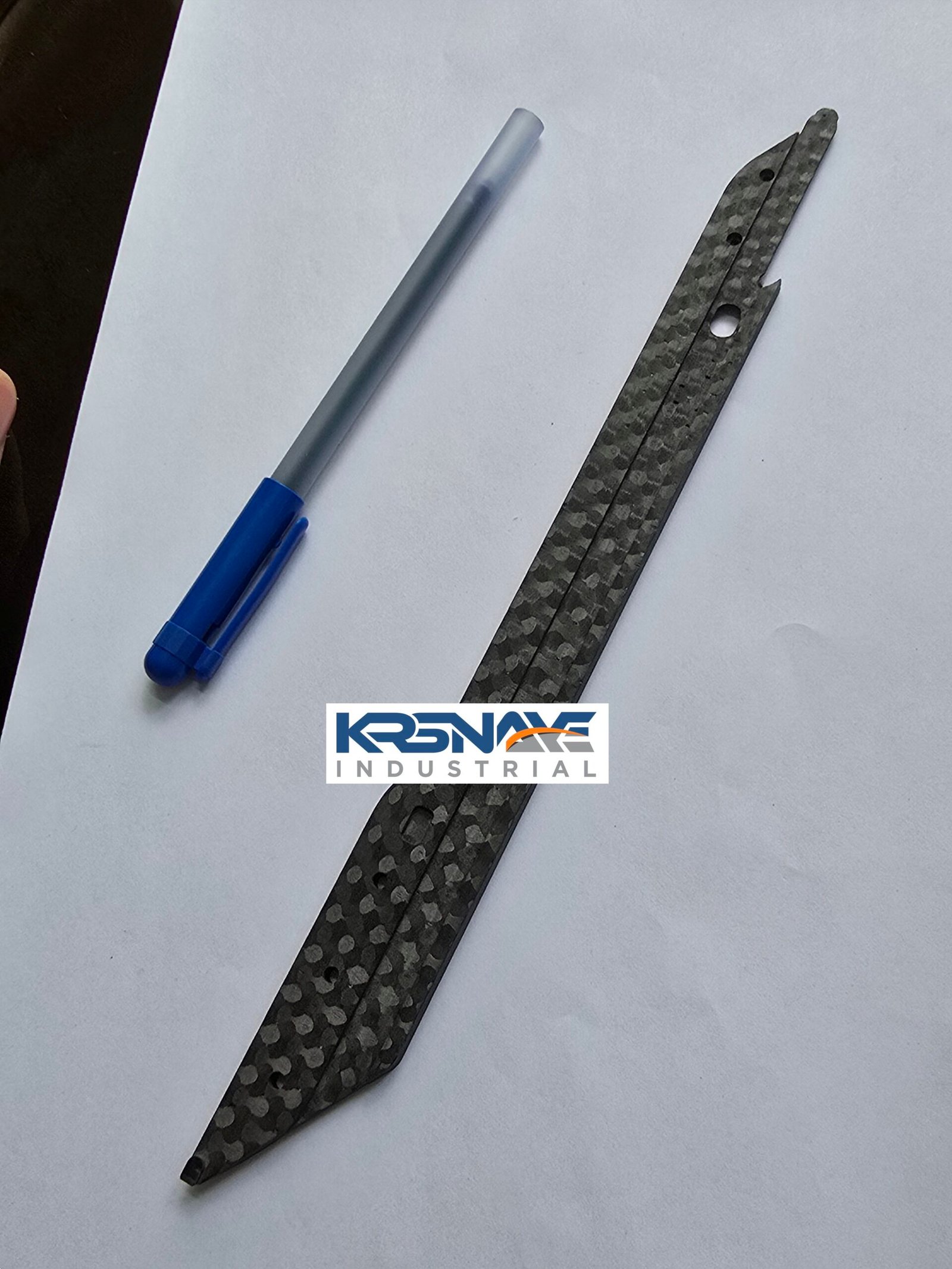
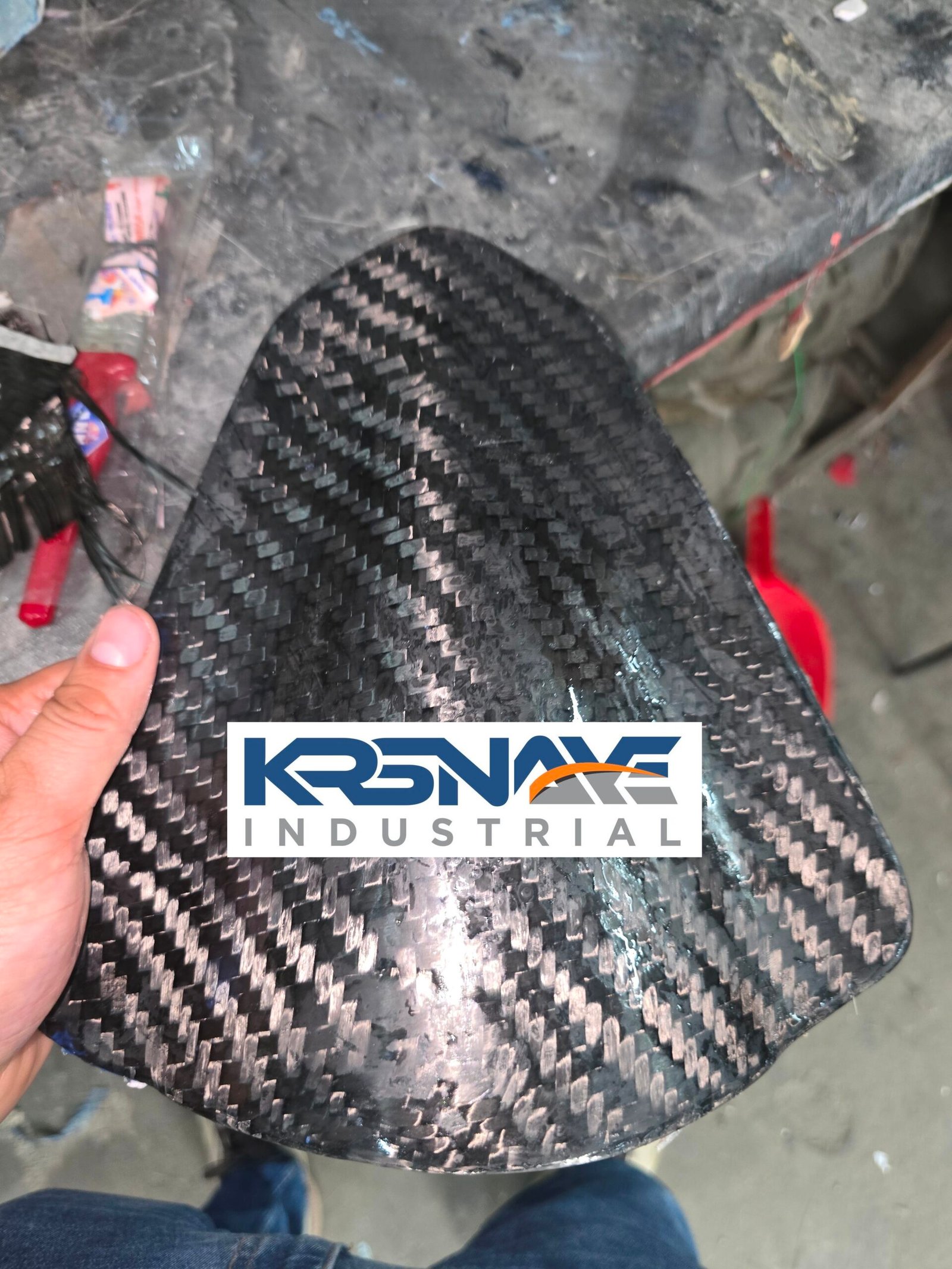
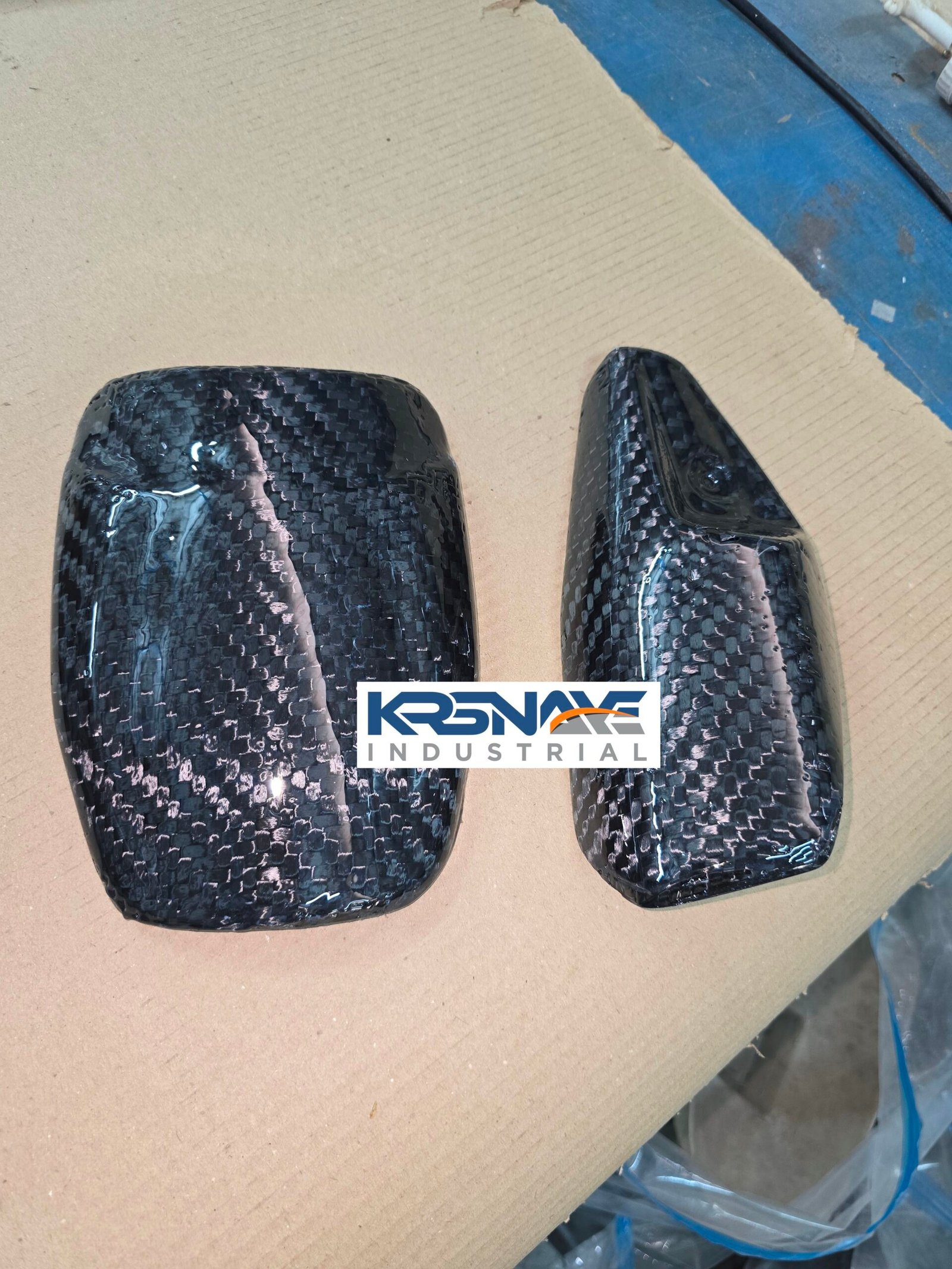
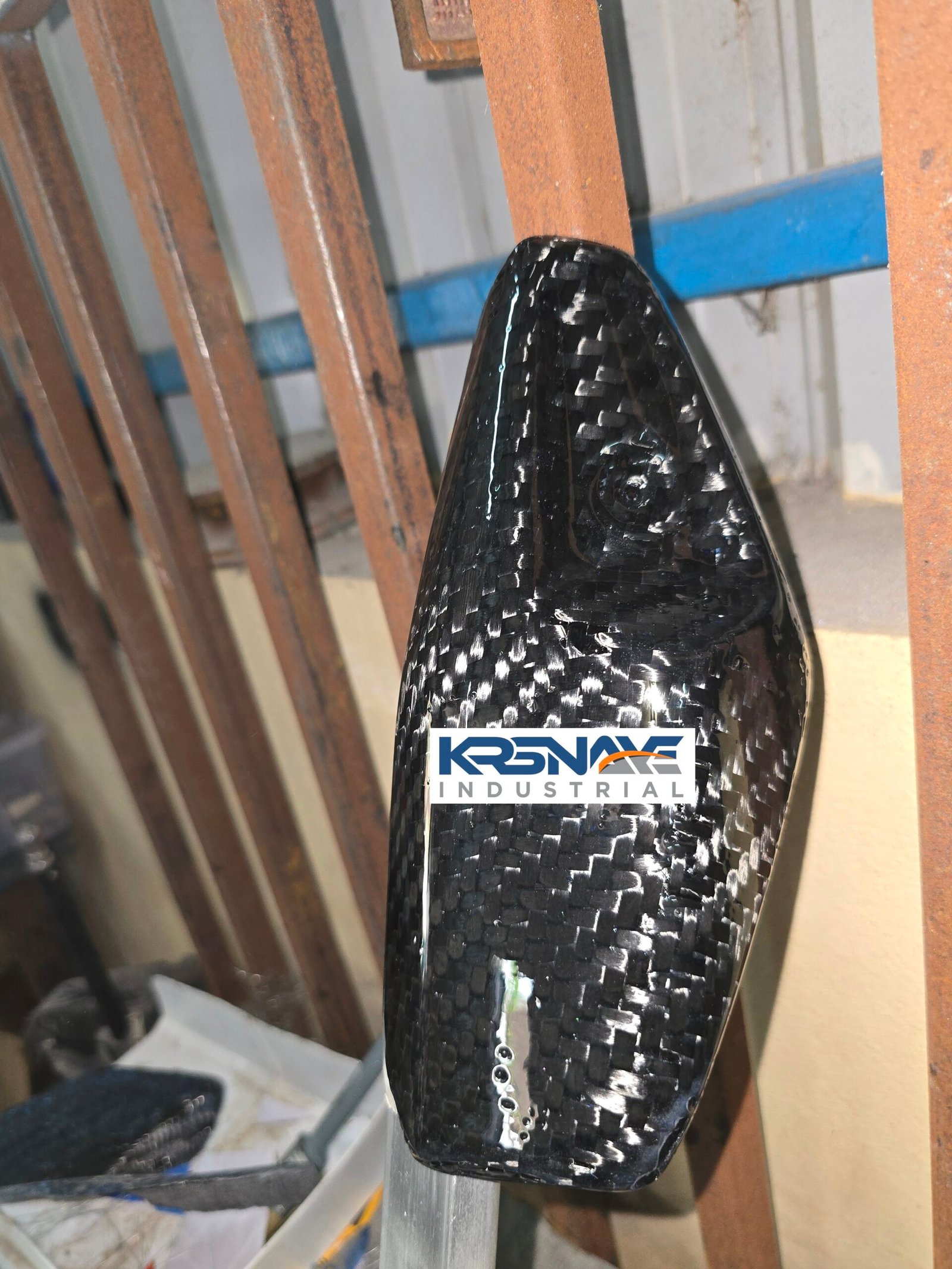
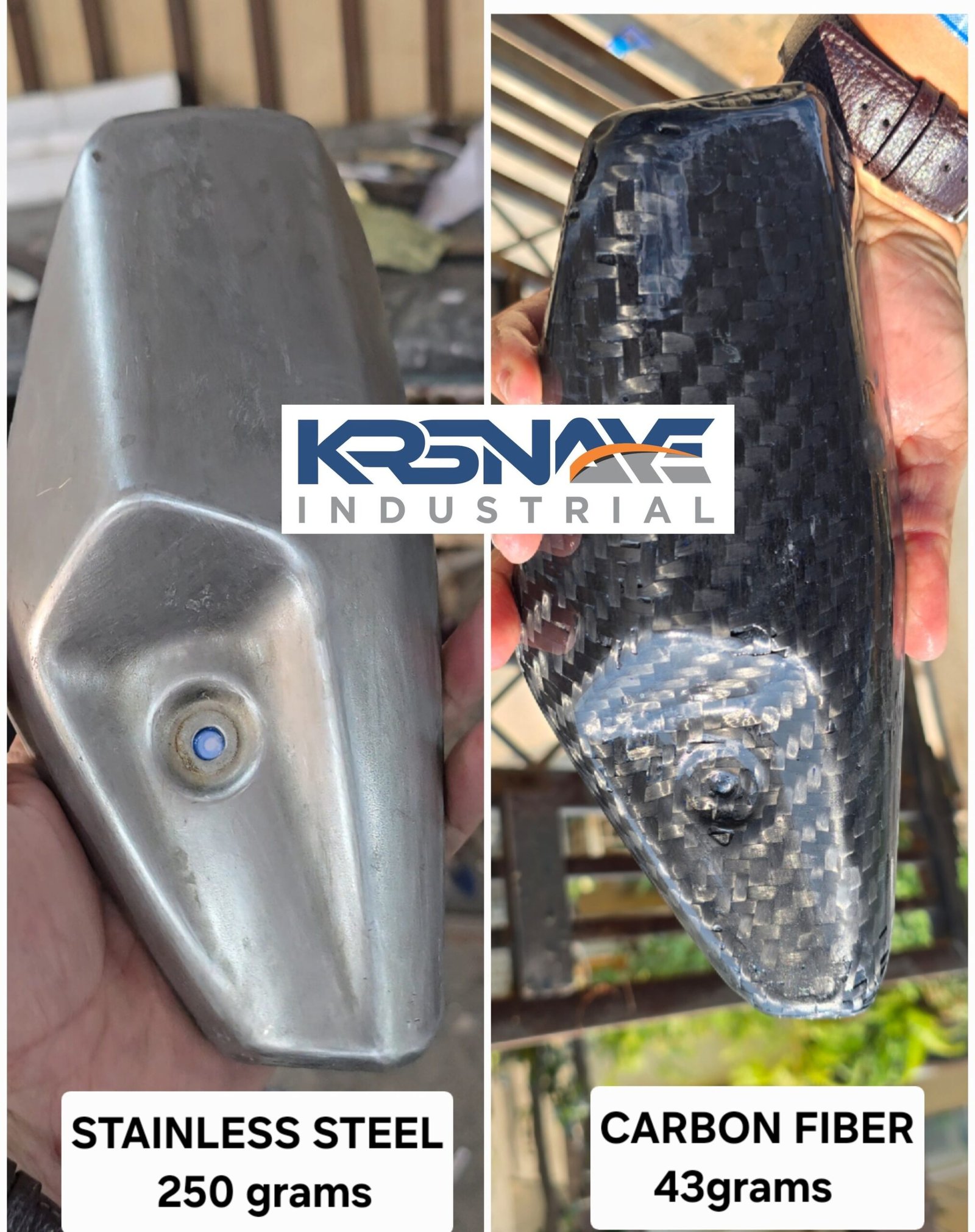
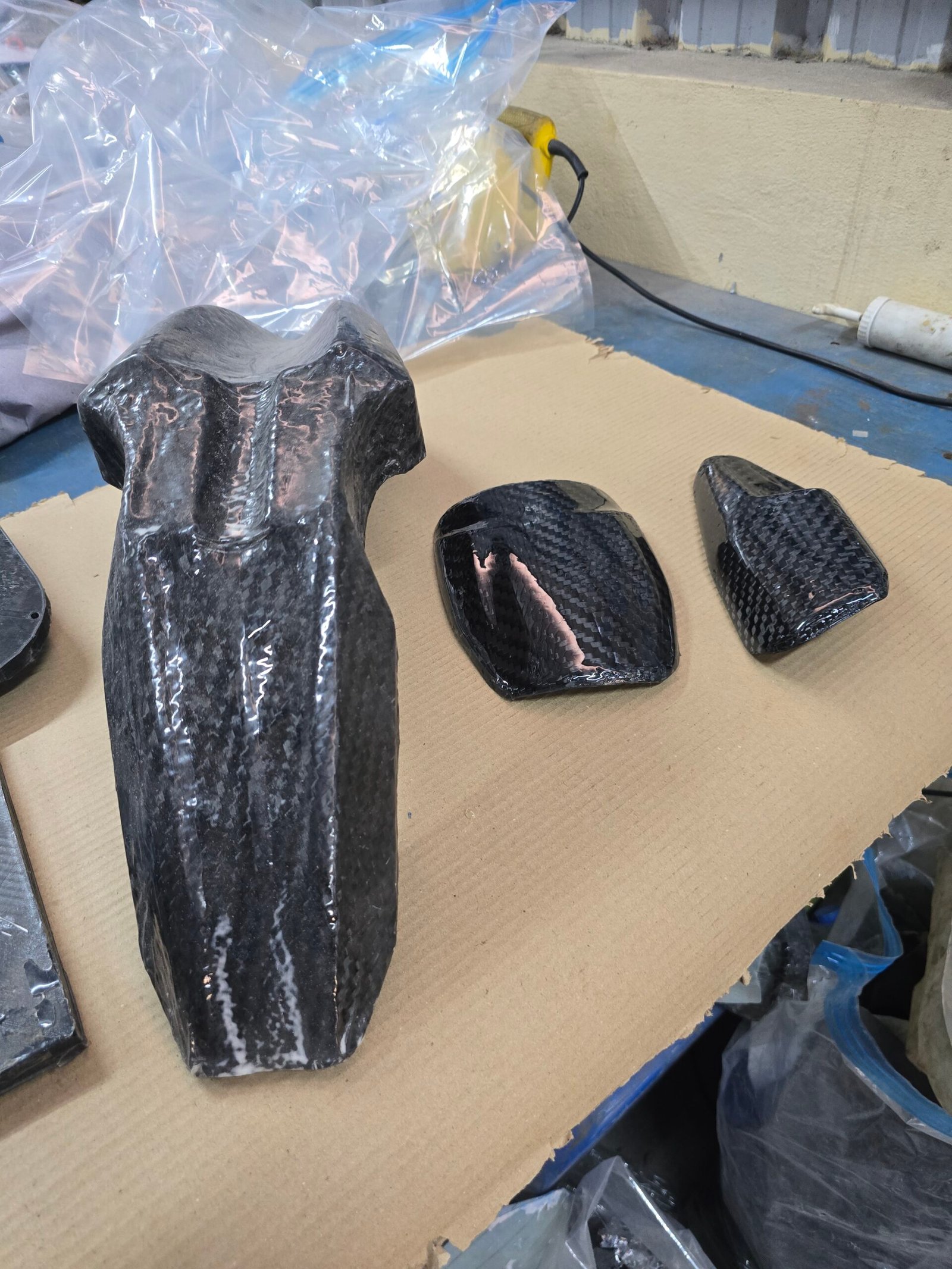
01 What is Carbon Fiber?
Carbon fiber is a high-performance material made from extremely thin strands of carbon atoms bonded together in a crystalline structure. Each fiber is typically 5–10 micrometers in diameter — thinner than a human hair — yet pound for pound it is stronger than steel and stiffer than most engineering metals.
Carbon fiber is composed of more than 90% carbon atoms (sometimes up to 99%). It is manufactured primarily from PAN (Polyacrylonitrile) precursor material, which accounts for approximately 90% of global carbon fiber production. Alternative precursors include pitch (from petroleum or coal tar) and rayon, which are used in specialty high-modulus fibers.
In finished products, carbon fiber is almost always combined with a resin matrix — typically epoxy — to create a Carbon Fiber Reinforced Polymer (CFRP). The fiber provides the strength and stiffness while the resin binds the fibers together and transfers loads between them.
02 Our Carbon Fiber Products
Krsnaye Industrial manufactures and supplies a complete range of standard and custom carbon fiber products. All products are available in standard sizes for fast dispatch, with fully custom dimensions, lengths, and profiles available on request.
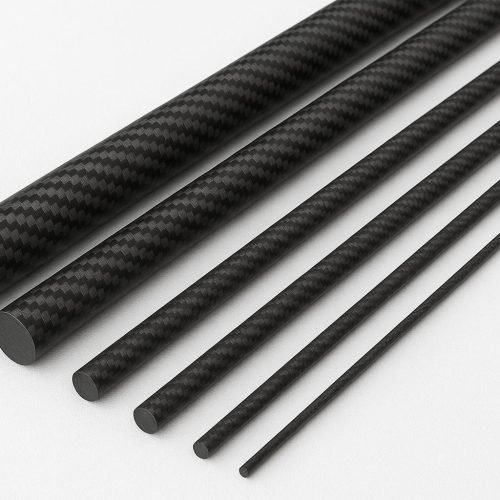
Carbon Fiber Rods
Solid pultruded rods from 1 mm to 30 mm diameter. Exceptional axial stiffness and compressive strength. Available in standard 1000 mm lengths or cut to size.
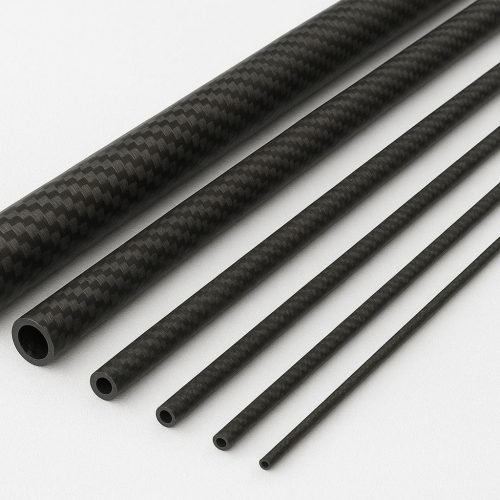
Carbon Fiber Tubes
Pultruded and roll-wrapped tubes. OD from 6 mm to 40 mm, standard wall 1 mm. Ideal for UAV frames, drone arms, robotic structures, and aerospace components.
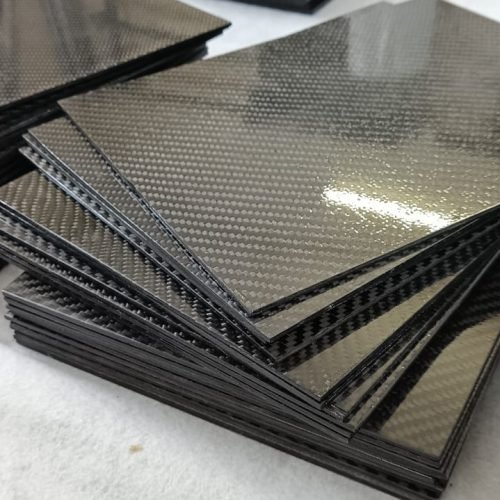
Carbon Fiber Sheets
Flat laminated sheets in 3K plain weave and twill weave. Thickness from 0.5 mm to 5 mm. Available in standard panel sizes and custom cut dimensions.
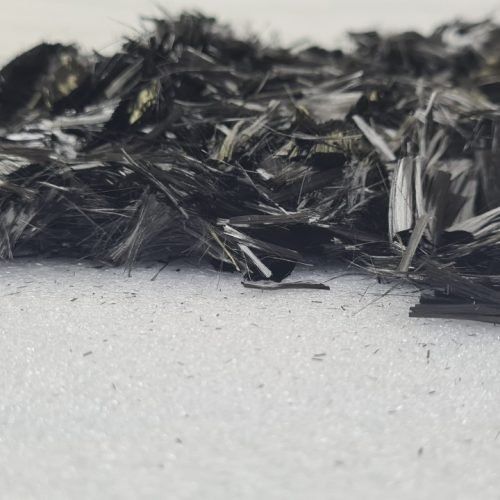
Chopped Carbon Fiber
Short carbon fiber strands for composite reinforcement, injection molding compounds, and custom lay-up applications. Available in various chop lengths.
03 Key Properties of Carbon Fiber
Carbon fiber's outstanding combination of mechanical and physical properties makes it the preferred material for high-performance engineering across aerospace, automotive, robotics, sports, and medical industries:
Ultra-High Strength
Tensile strength of 1200–7000 MPa. Up to 5× stronger than structural steel at a fraction of the weight.
Extremely Lightweight
Density of only 1.7–1.8 g/cm³ — 70% lighter than steel, 40% lighter than aluminium alloys.
Outstanding Stiffness
Elastic modulus of 200–400 GPa — extremely rigid with near-zero deflection under load.
Low Thermal Expansion
Near-zero coefficient of thermal expansion. Maintains dimensional stability across a wide temperature range.
Chemical Resistance
Resistant to most acids, alkalis, and organic solvents. Ideal for harsh industrial and marine environments.
Electrically Conductive
Carbon fiber conducts electricity — useful for EMI shielding, anti-static housings, and grounding applications.
Vibration Damping
Excellent vibration damping properties. Preferred for precision instruments, camera gimbals, and machine tools.
Radiolucency
Carbon fiber is transparent to X-rays — widely used in medical imaging tables and orthopedic applications.
Aesthetic Appeal
Distinctive woven surface finish. Widely used in premium automotive, consumer electronics, and luxury goods.
Material Properties Comparison Table
| Property | Carbon Fiber (CFRP) | Aluminium 6061 | Steel (304 SS) | Titanium Ti-6Al-4V |
|---|---|---|---|---|
| Density (g/cm³) | 1.7–1.8 | 2.70 | 7.85 | 4.43 |
| Tensile Strength (MPa) | 1200–7000 | 276–310 | 515–620 | 900–1100 |
| Elastic Modulus (GPa) | 200–400 | 68–70 | 193–200 | 110–114 |
| Strength-to-Weight | ⭐ Excellent | Good | Moderate | Very Good |
| Corrosion Resistance | Excellent | Good | Good | Excellent |
| Thermal Expansion | Near Zero | 23.6 µm/m°C | 17.3 µm/m°C | 8.6 µm/m°C |
| Machinability | Moderate (abrasive) | Excellent | Good | Difficult |
04 Manufacturing Process of Carbon Fiber
Carbon fiber undergoes a carefully controlled multi-stage manufacturing process that transforms a polymer precursor into one of the strongest lightweight materials known to engineering:
Precursor Selection & Spinning
The precursor material — most commonly PAN (Polyacrylonitrile) — is dissolved and extruded through a spinneret to form long, thin raw fibers. The diameter, quality, and consistency of these initial fibers directly determines the final carbon fiber grade.
Stabilization (Oxidation)
Raw PAN fibers are heated in air at 200–300°C for 30–120 minutes. This oxidation step converts the linear PAN chains into a thermally stable ladder polymer structure, preventing the fibers from melting or burning during the subsequent high-temperature carbonization step.
Carbonization
Stabilized fibers are heated in an inert nitrogen atmosphere at 1000–1700°C. At this stage, all non-carbon atoms (hydrogen, nitrogen, oxygen) are driven off by pyrolysis, leaving behind a fiber composed of tightly bonded carbon atom chains aligned along the fiber axis — the source of carbon fiber's extraordinary strength and stiffness.
Graphitization (High-Modulus Grades)
For high-modulus carbon fiber, carbonized fibers are further heated to 2000–3000°C. This graphitization step further aligns carbon atoms into a more ordered graphite-like crystal structure, dramatically increasing the elastic modulus while slightly reducing tensile strength.
Surface Treatment
The carbon fiber surface is mildly oxidized through electrolytic etching. This increases surface roughness and introduces chemical functional groups that dramatically improve adhesion between the fiber and epoxy resin matrix — critical for composite part performance.
Sizing & Winding
A thin protective epoxy or polyurethane coating (sizing agent) is applied to the fiber surface. Sizing prevents damage during handling and processing, improves compatibility with specific resin systems, and helps maintain fiber alignment during lay-up. Finished fiber tows are wound onto bobbins for delivery or further processing.
05 Carbon Fiber Tube Types & Manufacturing Processes
Two main types of carbon fiber tubes are commercially available. The right choice depends on the diameter required, the load type (axial, torsional, bending), and the application environment:
| Type | Surface Finish | Manufacturing Method | Diameter Range | Key Strengths | Limitations |
|---|---|---|---|---|---|
| Pultruded | Smooth inner & outer; unidirectional fibers | Fiber tow pulled through resin bath and heated die; continuous process | 0.7 mm – 12 mm | Excellent axial stiffness and compressive strength; consistent quality; lower cost | Prone to longitudinal splitting; lower torsional and hoop strength |
| Roll Wrapped | Woven twill or plain weave outer surface; multiple fiber orientations | Prepreg carbon fiber plies wrapped around mandrel, shrink-taped, oven-cured | 6 mm – 60 mm+ | Superior torsional and hoop strength; more robust under bending and crushing | Higher cost; heavier than pultruded at same diameter |
Pultruded Tubes — Ideal Applications
- UAV push-pull rods and control linkages
- Arrow shafts and archery equipment
- Tent poles and lightweight frames
- Robotic arm links and linear guides
- Kite frames and wind sport equipment
- Guitar neck reinforcement (internal)
- Fishing rod blanks
- Small-diameter structural reinforcement
Roll Wrapped Tubes — Ideal Applications
- Drone arms and multirotor frames
- Bicycle seat posts and handlebars
- Camera tripod legs and gimbal arms
- Ultra-light aircraft structural spars
- Automotive driveshafts and prop shafts
- Racing bicycle and motorsport components
- Medical imaging table cross-members
- Telescope tube assemblies
06 Standard Sizes Available
All standard sizes below are available from stock for fast dispatch within 2–5 working days. Custom OD, ID, wall thickness, length, and cross-section profiles are available with a lead time of 5–7 working days.
Carbon Fiber Tubes & Rods — Standard OD / ID (mm)
Standard length: 1000 mm. Custom lengths up to 3000 mm available on request.
Carbon Fiber Sheet Thickness Available
Standard panel sizes: 300×300 mm, 400×500 mm, 500×600 mm. Custom cutting available.
07 Surface Finishes for Carbon Fiber Parts
Carbon fiber parts can be supplied in the following surface conditions depending on the application requirement:
Matte (As-Laminated)
Standard finish direct from mould or pultrusion die. Consistent, uniform surface with visible weave pattern. Ra 1.6–3.2 µm.
Glossy Clear Coat
UV-stable clear epoxy topcoat applied over the weave. High-gloss finish that highlights the carbon fiber pattern. Popular for aesthetic parts.
Matte Clear Coat
Satin or matte clear topcoat for a low-sheen premium appearance. Reduces glare while still protecting the weave surface.
CNC Machined
Post-lamination CNC machining to tight tolerances (±0.05 mm). Drilled holes, milled slots, profiled edges all available.
Sanded / Polished
Hand-sanded and polished to a smooth surface for assembly interfaces, bonded joints, or precision-fit components.
Painted / Coloured
Painted with epoxy or polyurethane paint in any RAL color. Used when carbon fiber appearance is not required but its mechanical properties are needed.
08 Applications of Carbon Fiber Parts
Carbon fiber from Krsnaye is used in precision-critical applications across a wide range of industries where the combination of low weight, high stiffness, and durability creates significant performance advantages:
Aerospace & UAV
Drone arms, UAV frames, push-pull control rods, aircraft spars, ribs, landing gear struts, and satellite structural components.
Automotive & Motorsport
Body panels, spoilers, diffusers, driveshafts, roll cages, dashboard structures, and lightweight chassis reinforcements.
Robotics & Automation
Robotic arm links, end effectors, delta robot frames, gantry structures, and high-speed linear stage components.
Sports & Recreation
Bicycle frames, seat posts, handlebars, fishing rod blanks, golf club shafts, archery arrows, rowing oars, and ski poles.
Medical & Orthopaedic
Imaging table tops (radiolucent), prosthetic limb components, orthopedic surgical instrument handles, and rehabilitation equipment.
Industrial Machinery
Machine bases, vibration-damping beams, jigs and fixtures, lightweight tooling arms, and precision measurement instrument frames.
Photography & Optics
Camera tripod legs, gimbal arms, telescope tubes, lens housings, and vibration-sensitive precision instrument supports.
Marine & Defence
Boat hull reinforcements, mast tubes, naval antenna supports, lightweight armour backing, and underwater ROV structural frames.
09 Design Guidelines for Carbon Fiber Parts
To get the best performance and lowest cost from your carbon fiber parts, follow these design guidelines when preparing your drawings or specifications:
Minimum Wall Thickness
For tubes, standard wall thickness is 1 mm. Walls below 0.5 mm are difficult to manufacture consistently and prone to delamination under load. For structural tubes, 1.0–2.0 mm wall thickness is recommended for most applications. For sheets, minimum practical thickness is 0.5 mm.
Hole Drilling & CNC Machining
Carbon fiber can be drilled and milled using diamond-coated or carbide tooling. Avoid specifying holes smaller than 1 mm diameter in thin sheets (under 1 mm thickness). For drilled holes, always specify a countersink or chamfer to prevent delamination at hole edges during assembly and use. Tolerance on drilled holes: ±0.05 mm standard.
Fiber Orientation
For tubes, pultruded construction (0° fibers) maximises axial stiffness and compressive strength. Roll-wrapped construction with ±45° plies maximises torsional and hoop strength. For sheets, 0°/90° lay-up gives balanced in-plane stiffness. Specify your primary load direction when ordering so we can recommend the correct construction.
Bonding & Joining
Carbon fiber bonds best with two-part structural epoxy adhesives. Metal inserts can be bonded into tube ends for mechanical fastening. Avoid direct contact between carbon fiber and aluminium in wet environments (galvanic corrosion risk) — use an isolating layer of glass fiber or paint between the materials.
Tolerances
Standard dimensional tolerance for carbon fiber products is ±0.1 mm as-laminated. With CNC machining, tolerances of ±0.05 mm are achievable. Specify tight tolerances only on critical mating surfaces — unnecessarily tight tolerances on non-functional surfaces increase cost significantly.
10 Frequently Asked Questions
Call Us
+91 7078038081
Mr. Krishna Pachauri
Office — Noida
C201, Sector 63
Noida – 201301
Factory
S-5, Industrial Area, Site-A
Uttar Pradesh – 281001