
CNC Machining Services
From One Prototype to Full-Scale Production
Prototype, small batch, or mass manufacturing — our advanced machining and in-house finishing handle it all, start to finish.
Get instant pricing for custom metal and plastic machined parts, from prototypes to small batches and full-scale production, at competitive costs.
- Quotes for up to 1,000 parts, delivery in as fast as 5 working days
- 50+ materials
- 30+ surface finishes, tight tolerances up to ±0.001 mm
- ISO 9001:2015 and ISO 45001:2015 certified
- Free worldwide sample shipping.
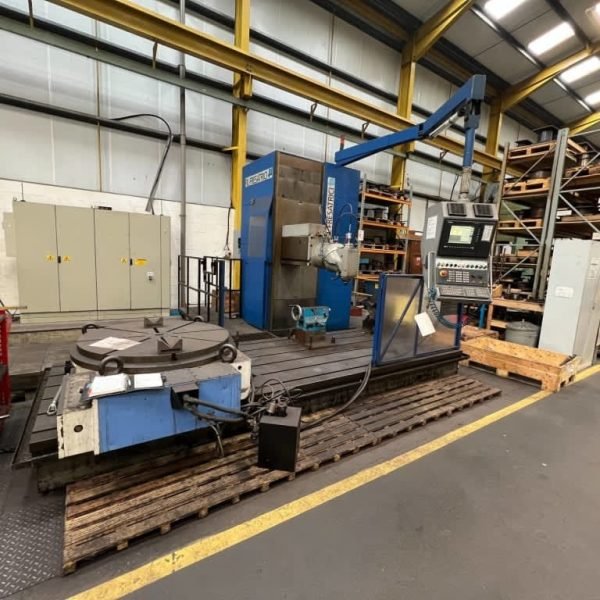
Our CNC Machining Service
Whether you need a single prototype, a 50–100 piece trial batch, or full-scale mass production, we’re built for it. With advanced 3-axis and 5-axis milling, Swiss lathes, turning and milling centers, EDM, grinding, and over 100 machines in-house, we support multiple materials, surface finishes, and complete final assembly under one roof.
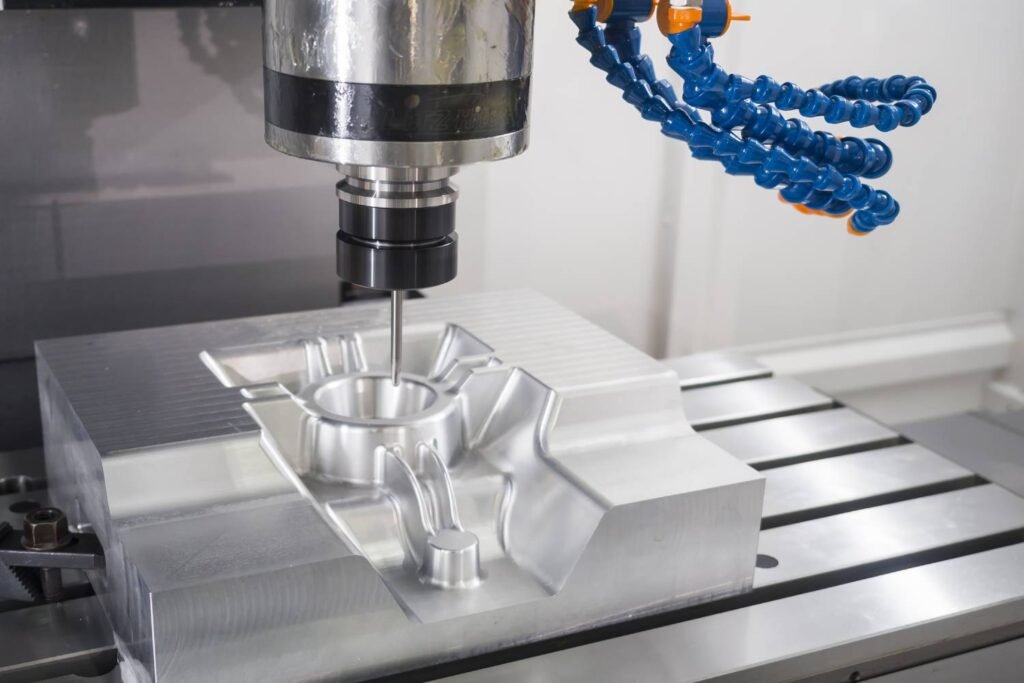
CNC Milling Service
3-axis, 4-axis and 5-axis machining capabilities for metal and plastic and woods materials with multiple treatment.
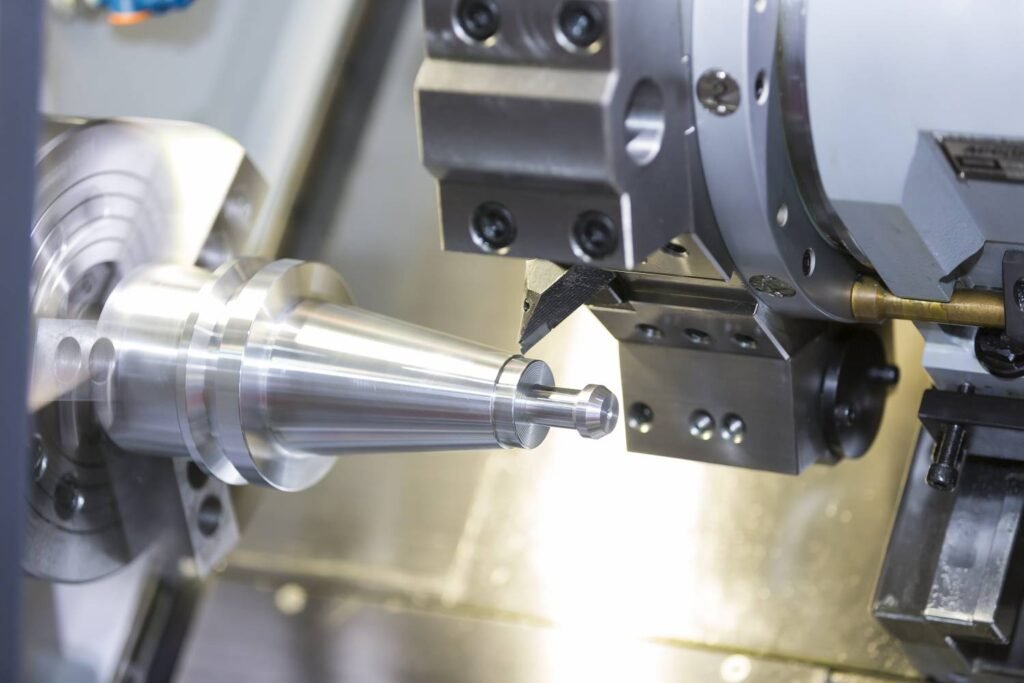
CNC Turning Services
12 sets turning-milling compound lathe machines, Ø0.5mm-300mm with 500mm in length.
What is CNC Machining?
CNC machining is an automated manufacturing process used to create complex shapes and precise geometries with high dimensional accuracy. The entire operation is controlled by pre-programmed software, where G and M codes guide the machine through each step. Because the process is highly automated, it requires minimal manual effort and replaces traditional hand-operated machining with faster, more consistent, and more accurate production.
Advantages and Challenges of CNC Machining
Advantages of CNC Machining
High accuracy and repeatable precision
Faster production cycles
Works with a wide range of materials
Minimal operator involvement
Easy to scale for higher volumes
Design consistency across parts
Uniform, reliable output
Challenges of CNC Machining
Higher cost for large or complex projects
Size limitations depending on machine capacity
Ongoing maintenance costs
Strong dependence on skilled and well-trained operators
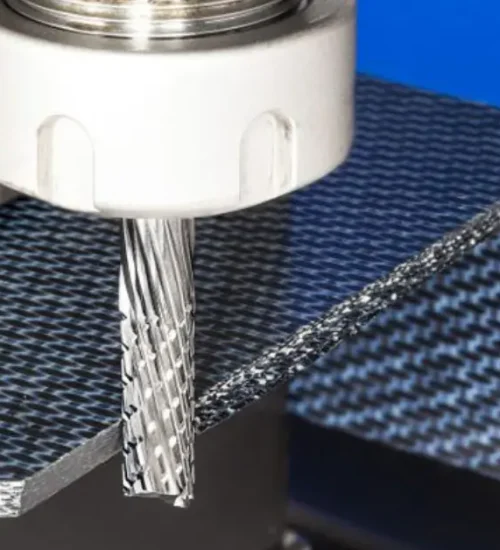
CNC Machining Process
CNC machining uses computer-based control to guide machines and cutting tools in producing custom parts with high precision. The core steps are largely the same across machining operations.
Create the CAD design
Convert the CAD file into CNC machine code
Set up the CNC machine and tools
Run a dry test to verify the program
Execute the machining process
CNC Machining Materials
A wide range of materials can be used in CNC machining, allowing you to choose what best fits your application. We work with over 50 metal grades, more than 20 plastics, various hardwoods and softwoods, engineered woods, and multiple composite materials to meet diverse project requirements.
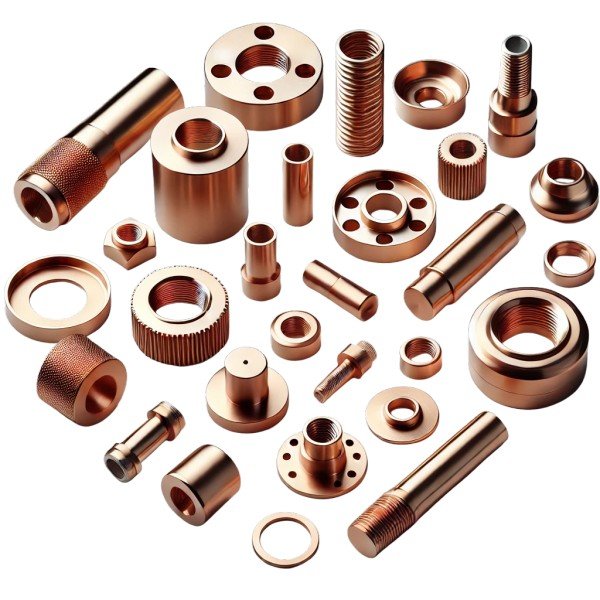
Copper
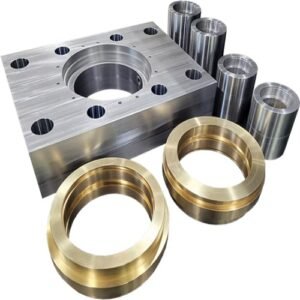
Carbon Steel & SS
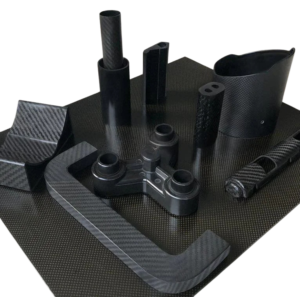
Carbon Fiber
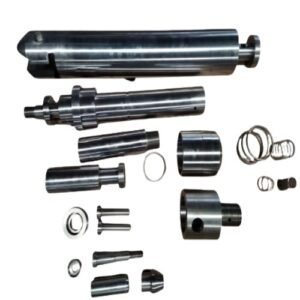
Aluminum
CNC Machining Applications
CNC machining is widely used across industries such as automotive, aerospace, construction, and agriculture. It works equally well with engineered materials like wood, brass, stainless steel, alloy steels, PEEK, PTFE, and many advanced composites.
Below are examples of applications where CNC machining delivers the most value:
For product developers who need high-quality parts in small quantities for prototyping, testing, or early-stage production, CNC machining is a strong choice. It bridges the gap between concept and mass manufacturing with speed and control.
Key benefits for rapid prototyping include:
Fast turnaround times
No fixed tooling required
High accuracy and precision
Easy design modifications
Compatibility with a wide range of materials
CNC machining is ideal for producing complex parts in low volumes. It also supports R&D needs by manufacturing gauges, jigs, fixtures, and custom tools, making it a practical solution for customers who require flexible and reliable short-run production.
Rapid tooling uses CNC-based processes similar to rapid prototyping to quickly create accurate tools and molds. It’s an efficient, proven approach for producing multiple parts from a validated design while maintaining precision and consistency.
Getting the desired and exact manufactured product is something that every client and manufacturer wants. Every component in the aviation industry is crucial and demands high precision and accuracy. As a result, CNC machining is among the most remarkable production techniques for generating a variety of aerospace parts. A few of the critical features produced with CNC machining are listed below:
- Shafts
- Oxygen generation components
- Valve components
- Electrical connectors
- Housing
- Filter bodies
CNC machining plays a key role in both prototyping and large-scale manufacturing within the automotive sector. It enables faster production, higher accuracy, and consistent quality for critical components, helping manufacturers improve efficiency and output.
Common automotive parts produced using CNC machining include:
Cylinder heads
Drive axles
Gearboxes
Starter motor components
CNC machining is widely used in the medical field to manufacture high-precision components for healthcare applications. It supports the production of artificial joints, dental components, and various surgical instruments, delivering consistent accuracy, repeatability, and cost efficiency while meeting strict medical standards.
CNC machining is valued in the defense sector for its accuracy, reliability, and repeatability. It helps suppliers reduce lead times and control costs while maintaining strict quality and safety requirements.
Typical military components produced using CNC machining include:
Radomes and radar dish systems
Missile components
Rifle nozzles and other precision parts