Crafting Excellence: Building the Propellant Feed Hopper for ISRO
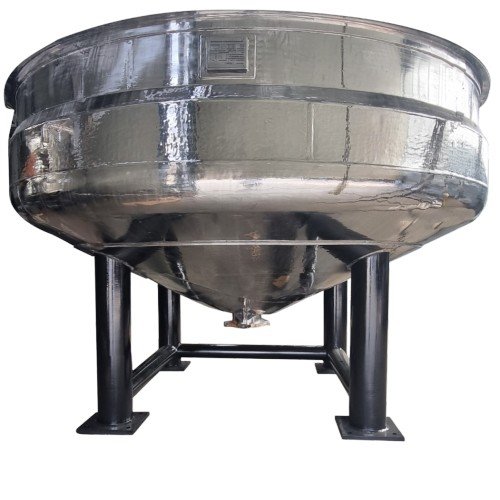
Every project holds immense significance when it comes to contributing to the nation’s space exploration endeavors. Among the projects I had the privilege to complete, the design and manufacture of the Propellant Feed Hopper for the Satish Dhawan Space Centre (SDSC) at Sriharikota, under the aegis of the Indian Space Research Organisation (ISRO), stands out as a testament to precision engineering and teamwork. What is a Propellant Feed Hopper? A propellant feed hopper is a crucial component in the propellant handling and storage systems used in launch vehicle operations. Its primary function is to hold, manage, and feed propellant materials—such as liquid fuels or oxidizers—into the fueling systems of a rocket. Designed to handle extremely hazardous and reactive substances, the hopper plays a critical role in ensuring the safe, efficient, and precise delivery of propellants during launch preparations. For ISRO, which is known for its ambitious space missions, the propellant feed hopper is vital to achieving mission success. Without an optimally functioning hopper, the precision and safety required for fueling rockets would be compromised, potentially jeopardizing the launch operations. Project Overview The propellant feed hopper was a critical component, designed to meet the rigorous demands of ISRO’s space missions. Constructed using Stainless Steel 304, the hopper required meticulous attention to detail and adherence to stringent quality standards. Here’s a detailed account of the project: Material and Structural Design Manufacturing Processes The manufacturing of the hopper involved several intricate processes: Finishing: The entire structure was given a mirror finish to enhance its aesthetic appearance and ensure a clean and smooth internal surface for handling propellants. Cutting: Plates were cut after preparing a layout with standard available plate sizes, keeping in mind minimum weld joints. Necessary allowances were made to form cones and cylindrical shells during roll bending. Bending: Plates were bent into the required shapes with high accuracy to ensure a perfect fit. Welding: The components were joined using Tungsten Inert Gas (TIG) Welding, chosen for its ability to produce clean, high-quality welds. Machining: The entire structure had four heavy-duty SS304 pipes with base plates duly machined in one setting from the bottom. This was a critical task but was completed with patience and endeavor. Specialized Features Quality Assurance Quality was a cornerstone of this project. Every weld joint underwent radiography testing, with all joints passing the rigorous evaluations. The hopper was subjected to comprehensive standard tests, including pressure tests and leak tests, all of which were completed satisfactorily. These measures ensured that the hopper could withstand operational stresses while maintaining absolute safety and efficiency. Significance of the Project The propellant feed hopper is more than just a structural component; it is a vital cog in the complex machinery that enables space exploration. Its precision design and manufacturing directly contribute to the safety and reliability of launch operations. By ensuring that propellants are delivered smoothly and securely, the hopper minimizes the risk of operational delays or catastrophic failures. The successful completion of this project reflects the importance of innovation, attention to detail, and rigorous quality control in meeting the demands of space technology. It also showcases the collaborative effort required to push the boundaries of engineering and support a nation’s journey into space. Reflections The successful completion of this project underscored the importance of precision, teamwork, and commitment to excellence. Collaborating with ISRO provided invaluable experience, highlighting the critical role that engineering excellence plays in supporting space exploration initiatives. This project not only strengthened my technical capabilities but also instilled a profound sense of pride in contributing to India’s space program. The propellant feed hopper stands as a symbol of engineering ingenuity, a small but significant part of ISRO’s ambitious journey into space.
Crafting Excellence: Building the Propellant Feed Hopper for ISRO Read More »